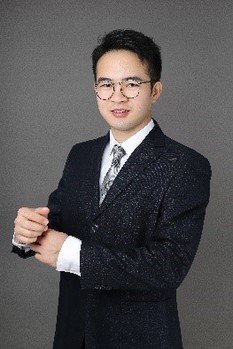
个人简介
副教授,硕导,曾任南通大学发展规划处副处长。中国科学院心理研究所博士后,南京大学心理学博士,厦门大学医学硕士,山西医科大学管理学学士。“突触情绪与内感受智能实验室”平台负责人,邮箱:lelechen0514@163.com
研究方向
方向1:情绪的内感受机制与神经调控
方向2:健康心理学与干预
方向3:精神卫生与健康促进
科研成果
A.学术论文
32. Chen, L. *, Zhao, H., Chen, F., Sun J. and Zhou, R. *, 2026. The priming effect of interoception on savoring positive emotion: An EEG study. Cognitive, Affective, & Behavioral Neuroscience
31. Zhou, Y., Liu, P., Chen, F. and Chen, L. *, 2025. The changes of EEG microstate maps in response to high-definition transcranial direct current stimulation. Cognitive, Affective, & Behavioral Neuroscience, pp.1-10.
30. Bai, S., Chen, L., Liu, P. and Zhou, R., 2025. Temperament as a Moderator of Threat Interpretation Bias in Chinese Adolescents With High Test Anxiety. Psychology in the Schools.
29. Long F, Chen L, Zhou W, Oei TP, Zhou R. Working memory training improves general emotion regulation: Evidence from resting HF-HRV. Neuropsychological Rehabilitation. 2025 Apr 4:1-25.
28. Chen L*, Chen F, Bai S, Xu Z, Ding Y. Social-emotional competence among adolescents: A network approach to model relationships among social-emotional competence, emotion regulation, and anxiety. Personality and Individual Differences. 2025 Apr 1;236:113023.
27. Chen L*, Chen F, Bo K, Sun J, Zhou R. Interoception primes negative emotion processing during cognitive reappraisal: Electroencephalographical evidence. International Journal of Clinical and Health Psychology. 2024 Oct 1;24(4):100515.
26. ChenL,* Bai S, Zhang L, Zhou Y, Liu P. Interoception and social-emotional competence among adolescents: the role of emotion regulation. Current Psychology. 2024 Aug;43(32):26317-25.
25.Wei H, ChenL*, Zhao L. Can the Spontaneous Electroencephalography Theta/Beta Power Ratio and Alpha Oscillation Measure Individuals’ Attentional Control?. Behavioral Sciences. 2024 Mar 12;14(3):227.
24. Yang J, Liu Y, van den Berg B, Wang S, ChenL, Liu M, Bi J. Clean air captures attention whereas pollution distracts: evidence from brain activities. Frontiers of Environmental Science & Engineering. 2024 Apr;18(4):41.
23.Chen, L.*, T.P. Oei, and R. Zhou, The cognitive control mechanism of improving emotion regulation: A high-definition tDCS and ERP study. Journal of Affective Disorders, 2023. 332: p. 19-28.
22.Chen, L., et al., Electrocortical effects of detachment and reinterpretation on the regulation of negative emotion. International Journal of Psychophysiology, 2023. 188: p. 62-71.
21.Chen, L.*, X. Peng, and X. Ma, Loneliness and psychological distress during the COVID-19 pandemic: the moderating role of emotion regulation. Current Psychology, 2023: p. 1-8.
20.Chen, L., et al., The association between quarantine duration and psychological outcomes, social distancing, and vaccination intention during the second outbreak of COVID-19 in China. International journal of public health, 2022. 67: p. 1604096.
19.Chen, L. * and R. Zhou*, Association of sensory impairment with cognitive function and mental health among the older adults in China. Current Psychology, 2022: p. 1-9.
18.Chen, L. *, Self‐reported hearing difficulty increases 3‐year risk of incident cognitive impairment: The role of leisure activities and psychological resilience. International Journal of Geriatric Psychiatry, 2021. 36(8): p. 1197-1203.
17.Chen, L.*, Leisure activities and psychological wellbeing reduce the risk of cognitive impairment among older adults with hearing difficulty: A longitudinal study in China. Maturitas, 2021. 148: p. 7-13.
16.Chen, L., et al., Depression in patients with traumatic brain injury-Prevalence and association with cognitive and physical function. Current Psychology, 2021. 40: p. 3058-3064.
15.Chen, L. * and Q. Cao, Poverty increases the risk of incident cognitive impairment among older adults: a longitudinal study in China. Aging & Mental Health, 2020. 24(11): p. 1822-1827.
14.Chen, L. * and B. Lu, Cognitive reserve regulates the association between hearing difficulties and incident cognitive impairment evidence from a longitudinal study in China. International Psychogeriatrics, 2020. 32(5): p. 635-643.
13.Chen, L. * and R. Zhou*, Does self-reported hearing difficulty decrease older adults’ cognitive and physical functioning? The mediating role of social isolation. Maturitas, 2020. 141: p. 53-58.
12.Hou, L., L. Chen, and W. Zhang, The longitudinal predictive effect of self-reported frequency of premenstrual syndrome on depression: Findings from the Australian Longitudinal Study on Women's Health. Frontiers in Public Health, 2023. 11: p. 1126190.
11.Yao, Yao, Huashuai Chen, Lele Chen, Sang-Yhun Ju, Huazhen Yang, Yi Zeng, Danan Gu, and Tze Pin Ng. Type of tea consumption and depressive symptoms in Chinese older adults. BMC geriatrics, 2021. 21(1): p. 331.
10.Zeng, Yanbing, Weiqian Xu, Lele Chen, Fan Chen, and Ya Fang. The influencing factors of health-seeking preference and community health service utilization among patients in primary care reform in Xiamen, China. Patient preference and adherence, 2020: p. 653-662.
9.Zeng, Yanbing, Zhipeng Yuan, Lele Chen, Jielong Wu, Fan Chen, and Ya Fang., Primary care reforms in managing chronic diseases in Xiamen, China: a tentative assessment. The International Journal of Health Planning and Management, 2019. 34(4): p. e1609-e1620.
8.Zeng, Yanbing, Jielong Wu, Yaofeng Han, Fan Chen, Lele Chen, Shuyu Yang, and Ya Fang., Educational disparities in the associations between self‐monitoring of blood glucose and glycemic control in type 2 diabetes patients in Xiamen, China. Journal of Diabetes, 2018. 10(9): p. 715-723.
7.陈乐乐, 曾雁冰, 和方亚, 基于四部模型法的老年人医疗服务需求及利用影响因素研究. 卫生经济研究, 2017(12): p. 52-56.
6.陈乐乐, 曾雁冰, 和方亚, 基于社会生态理论的我国老年人住院服务利用影响因素研究. 中国卫生统计, 2017. 34(5): p. 696-699.
5.曾雁冰,陈乐乐,黄晓玲,方亚, 厦门市医师和居民慢性病分级诊疗模式的认知及效果分析. 中华全科医师杂 志, 2017. 16(11): p. 851-856.
4.曾雁冰,陈乐乐,王草,方亚, 基于联合建模的慢性病患者社区医疗服务利用的社会生态学因素研究. 中国卫生统计, 2019. 36(3): p. 358-361.
3.谭阳, 魏华,陈乐乐,周仁来, 公交车驾驶员压力知觉和抑郁的关系: 一个有调节的中介效应模型. 心理学通讯, 2022.
2.曾雁冰,陈帆,吴杰龙,陈乐乐,孙卫,方亚. 慢性病分级诊疗" 三师共管" 知信行影响因素分析. 中华医院管理杂志, 2017(06): p. 408-413.
1.曾雁冰,吴杰龙,陈帆,陈乐乐,杨叔禹,方亚, 厦门市 “三师共管” 模式对居民社区首诊行为的影响研究. 中国卫生事业管理, 2017. 34(8): p. 566-569.
B.科研项目
17.2025-2028,国家社科基金:“养老服务机器人价值敏感设计研究” 参与
16.2025-2028,教育部重点课题:“学龄前儿童数字素养评价指标体系建构与培育路径研究” 参与
15.2024-2027,国家自然科学基金:“情绪调节的内感受机制” 主持
14.2024-2027,教育部人文社科基金:“内感受训练提升青少年情绪能力的神经基础” 主持
13.2023-2026,江苏省自然科学基金:“考试焦虑的记忆再认偏差与脑调控研究”主持
12.2023-2024,江苏省教育规划重点课题:“考试焦虑的记忆机制与神经调控” 主持
11.2023-2024,江苏省高校哲学社会课题:“内感受预测和诊断青少年情感障碍的价值研究”主持
10.2021-2022,南京大学提升计划B:“经颅电刺激技术调控情绪的神经机制研究”主持
9.2024-2027,教育部人文社科基金:“睡眠不足对自我意识情绪加工的影响及其神经机制” 参与
8.2022-2024,江苏省社会科学基金项目:“青少年考试焦虑个体抑制功能受损的认知神经机制和矫正训练研究”参与
7.2020-2022,军委科技委课题:“雷达兵视觉认知和操作技能评估及增强方法研究”参与
6.2020-2022,江苏省社科项目:““江苏故事”新媒体传播效果研究” 参与
5.2021-2022,江苏省交通厅项目:“江苏省驾驶员心理健康评估与筛选”参与
4.2019-2020,南京大学创新创业中心:“社区儿童智力训练平台的研制与应用”主持
3.2015-2017,国家青年自科项目:“基于医疗支出SD建模的老年医疗保障制度优化研究”参与
2.2016-2018,福建省自科项目:“基于SD建模的老年人医疗支出与医疗保障系统联动机制研究”参与
1.2016-2018,厦门市卫健委课题:“厦门市慢性病管理经济学评价”参与
教学经历
1.本科生《数据分析与SPSS操作》、《心理统计》
2.研究生《高级心理统计》、《心理学研究方法》、《情绪调节与训练》
社会兼职
担任Child Development Perspectives, NeuroImage, Journal of Psychiatric Research等杂志审稿人。
荣誉称号
江苏省青年科技创新人才
南通大学机关单位先进个人
优秀毕业生导师
科研技能
1.计算机技能: Matlab, Python, R, Mplus, SPSS, SAS, STATA等
2.实验室技能:PsychoPy, PTB, Eprime, EEGlab, SPM, FSL,AcqKnowledge, Curry 7, Brain Product, SMI, BioPac, Soterix Medical, Treeage pro等
3.数据分析技能:心脑交互建模,HEP,EEG,ECG,fmri,眼动分析,GLM模型,DDM模型,横断面数据分析,纵向数据分析
本课题组长期欢迎有志于科研的同学尽早加入!